Why Determining the Best General Contractor Is Key for Your Project
Identifying the right main contractor is a pivotal call that can markedly determine a project's fruition. A fit contractor guarantees efficient handling and sticking to financial plans. Their competence to traverse problems and foster clear messaging is essential. However, many project owners overlook critical variables in this vetting cycle. Understanding these elements can lead to better outcomes and heightened contentment. What should one deliberate when making this significant choice?
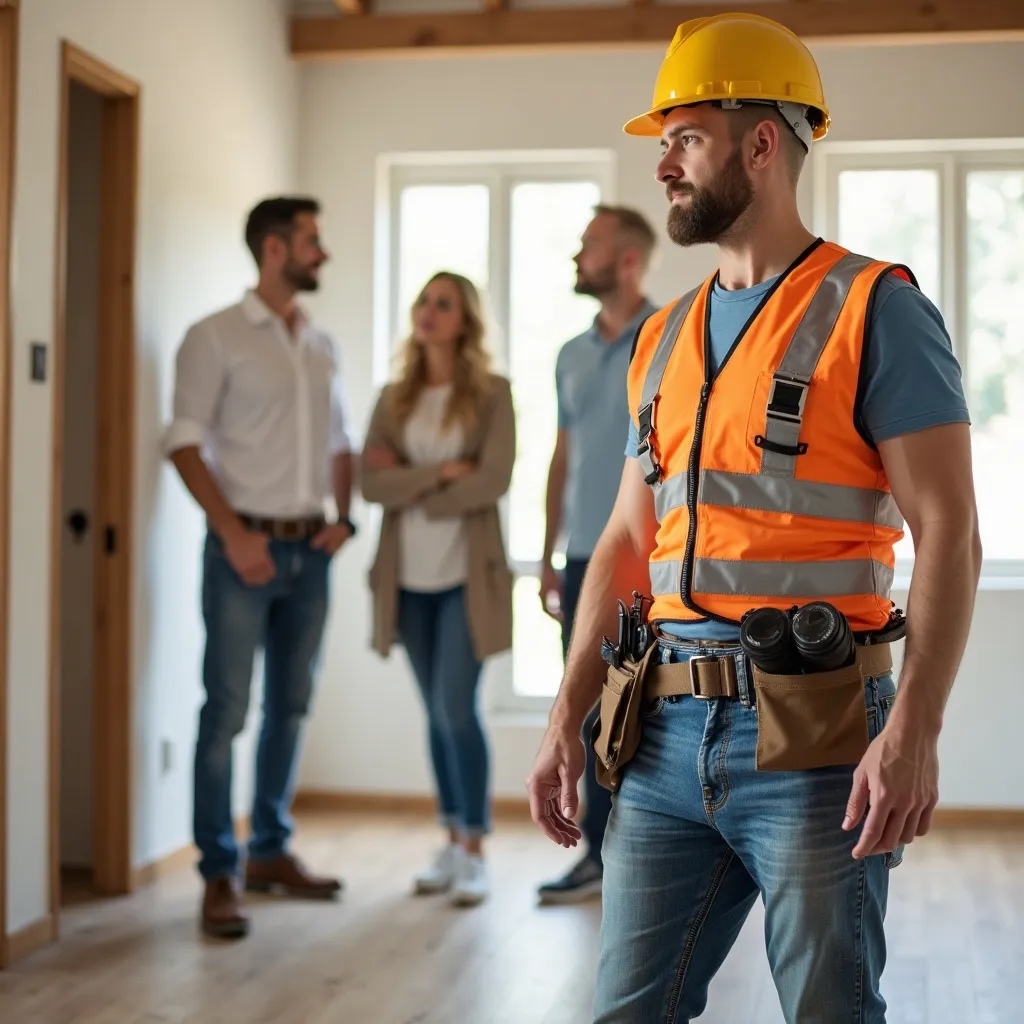
Common Problems in Selecting a General Builder
When choosing a general contractor, potential clients often encounter numerous typical difficulties that can hinder the decision-making process. One major obstacle is the vast quantity of choices on offer, which can lead to uncertainty and hesitation. Clients may struggle to differentiate between contractors based on credentials, background, and cost, rendering it challenging to determine who will best meet their project needs.
A further challenge is the limited disclosure in contractor bids, where unexpected expenses may come to light, modifying the project allocation. Additionally, clients may experience issues pertaining to exchange of information; some contractors may be unable to keep clients informed throughout the process, leading to frustration. Finally, clients often wrestle with verifying a contractor's endorsements and historical work, which can lead to uncertainty about the quality of service to be delivered. These impediments necessitate careful consideration and scrutiny to guarantee the optimal choice is made.
Importance of a Reliable General Contractor
A reliable general contractor plays an vital role in ensuring efficient project management and maintaining quality assurance standards. Their expertise helps optimize processes, reducing delays and costs. Additionally, a trustworthy contractor upholds high standards, resulting in quality workmanship and customer contentment.
Optimize Assignment Supervision Results
Effective project oversight copyrights on the dependability of a general contractor. A reliable contractor ensures that deadlines are adhered to, resources are distributed effectively, and communication flows smoothly among all stakeholders. Their ability to coordinate subcontractors, suppliers, and laborers directly impacts the project's progress and overall success. A dependable contractor foresees problems, acts quickly to resolve them, and stays focused on the objectives, minimizing setbacks and budget excesses. This efficiency fosters a collaborative environment, allowing for adjustments and improvements as needed. Ultimately, the general contractor's reliability improves both the functional parts of the project and the trust shared by clients and team members, guaranteeing that everyone remains aligned toward a successful outcome.
Quality Testing Standards
Reliable contractors fulfill a pivotal role in enforcing quality assurance measures throughout the course of a project. They guarantee that all work meets established guidelines and industry best practices, a key aspect for the longevity and safety of the structure. A competent contractor maintains careful oversight of materials and workmanship, conducting regular inspections to detect and correct problems quickly. This proactive strategy mitigates risks associated with inferior construction, ultimately securing the investment. Furthermore, a reliable contractor supports communication among all stakeholders, assuring expectations are clear and met. By emphasizing quality assurance, a skilled general contractor not only improves the finished product but also cultivates trust with clients, laying the foundation for successful project outcomes.
Examining a Contractor's Experience and Reputation
When picking a general construction firm, knowing their expertise and reputation is important, as these factors heavily influence project outcomes. A contractor's background typically indicates their ability to manage various kinds of projects, complexities, and difficulties. Reviewing their work samples provides perspective into past projects, showcasing quality workmanship and meticulous attention to specifics.
In addition, reputation functions as a vital role in creating trust. Prospective clients should seek online reviews, recommendations, and references to determine satisfaction levels from previous clients. Working with past customers can reveal the contractor's reliability, communication skills, and maintaining timelines and budgets.
Furthermore, sector associations and accreditations can enhance a contractor's credibility, indicating a commitment to superior standards and responsible practices. By thoroughly evaluating both track record and credibility, clients can make informed decisions, ultimately establishing the foundation for a victorious construction project.
Key Attributes of a Reputable Contractor
A reliable contractor consistently demonstrates integrity, openness, and strong communication skills. These vital traits create the basis of a successful working relationship. Honesty ensures the contractor conforms to moral standards, offering truthful evaluations and realistic timelines. Openness involves fully disclosing project details, including expenses and possible obstacles, building confidence between the contractor and the customer.
Robust interpersonal skills allow the contractor to efficiently convey ideas, listen to client requirements, and promptly resolve any issues that arise during the project. Additionally, a dependable contractor showcases flexibility, responding to changes and unexpected circumstances with flexibility and poise. Careful attention to detail is another key trait; it shows a commitment to excellence and precision in every aspect of the work. In the end, these characteristics not only improve project outcomes but also add to a positive experience for clients, making the choice of a trustworthy contractor all the more vital.
Important Queries for Bringing On Your General Contractor?
What method can one take to guarantee they select the right general contractor for their project? By asking a series of specific questions, potential clients can more effectively evaluate candidates. Initially, asking about the contractor's experience with similar projects offers insight into their expertise. It's also essential to request for references; speaking with previous clients can reveal the contractor's reliability and quality of work.
Next, discussing licensing and insurance verifies that the contractor satisfies legal requirements and protects the client from potential liabilities. Clients should also ask regarding timelines and project management approaches to gauge how the contractor plans to handle the project effectively.
Budget meetings are crucial; requesting a detailed quote prevents unexpected expenses later. Finally, grasping the contractor's communication style preferences can set the groundwork for a successful partnership. By tackling these key questions, clients can make informed decisions in selecting their general contractor.
The Importance of Interaction With Your Contractor
Effective communication with a contractor is critical for project completion. Establishing explicit expectations and sharing consistent feedback can avoid misunderstandings that often lead to costly delays. Additionally, encouraging an receptive dialogue establishes credibility, guaranteeing a smoother collaboration throughout the construction process.
Defined Criteria Drive Achievement
Defining specific expectations is essential for a effective partnership with a general contractor. Effective communication forms the basis for a mutual understanding of project goals, timelines, and budget constraints. When both parties convey their needs and concerns, it minimizes the risk of misunderstandings that may derail progress. A contractor who comprehends the specific requirements can manage resources effectively and proactively handle potential challenges. Additionally, clear expectations promotes accountability, guaranteeing the contractor fulfills commitments and that the homeowner feels engaged in the process. By prioritizing open dialogue early on, clients can improve cooperation and satisfaction, ultimately resulting in a more seamless project delivery. Clear expectations not only simplify operations but also foster trust between the homeowner and the contractor.
Quick Communications Prevent Misunderstandings
Defining distinct expectations provides the groundwork for cooperative achievement, though ongoing communication is absolutely vital. Routine communication from a construction professional can avert miscommunication that may arise during a project. When builders regularly share project updates, clients keep informed of timelines, financial adjustments, and potential challenges. This forward-thinking communication aids in harmonize each party's expectations and reduces the possibility of conflicts down the road. Furthermore, when issues arise, immediate notification facilitates faster problem-solving, keeping the work on schedule. Through building a culture of transparent communication, construction professionals demonstrate their commitment to the undertaking's prosperity, finally leading to a smoother workflow and greater client satisfaction. Therefore, timely updates serve as a cornerstone for maintaining transparency and trust within the construction process.
Transparent Exchange Fosters Trust
As a project unfolds, upholding an open dialogue with the primary contractor becomes crucial for encouraging belief and collaboration. Direct communication guarantees that all involved parties have a complete understanding of expectations, timelines, and potential roadblocks. When contractors and customers engage in frequent talks, it lets for the discovery of issues before they grow worse, minimizing problems. This transparency not only builds confidence but also optimizes the overall project experience. Additionally, an open line of communication welcomes feedback, enabling the construction leader to make adjustments that align with the client's expectations. In conclusion, effective interaction establishes a foundation of shared esteem, which is essential for the successful completion of any construction endeavor. Trust cultivated through exchange leads to superior performance for everyone participating.
Common Inquired Questions
What ways can I employ to determine if a Contractor has been Licensed?
To assess if a contractor is licensed, one should check local registration agencies and web portals, confirm their license number, and establish it's active. Additionally, looking at online reviews can present insight into their credibility and reliability.
What Coverage Should My Builder Carry?
A service provider ought to obtain comprehensive liability coverage, worker injury protection, and, if necessary, professional liability insurance. These cover potential damages, job-site injuries, and errors in workmanship, ensuring economic security for both the service provider and the client.
How Can I Verify a Builder's References?
To confirm a contractor's credentials, one should ask for a compilation of past customers, reach out to them personally, and ask regarding their feedback. Additionally, examining online reviews and ratings can provide valuable insights into the contractor's trustworthiness.
What Can I Implement if Problems Present Themselves During the Project?
If difficulties surface during the project, one see the details should record the problems, communicate directly with the contractor, and seek a resolution. If required, engaging a mediator or consulting a legal professional may also be appropriate.
Are There Red Flags to Watch for During the Recruitment Process?
Red flags during the hiring process feature unclear pricing, lack of references, weak communication, partial licenses, and negative online reviews. These indicators reveal conceivable difficulties that might influence the project's quality and timeline.